John Smith

I am a Writer

John Doe

Lorem ipsum dolor sit amet, consectetuer adipiscing elit, sed diam nonummy nibh euismod tincidunt ut laoreet dolore magna aliquam erat volutpat. Ut wisi enim ad minim veniam, quis nostrud exerci tation ullamcorper suscipit .
Erat volutpat. Ut wisi enim ad minim veniam, quis nostrud exerci tation ullamcorper.

  • 3066 Stone Lane, Wayne, Pennsylvania.
  • +610-401-6021, +610-401-6022
  • admin@mydomain.com
  • www.yourdomain.com
Me

My Professional Skills

Lorem ipsum dolor sit amet, consectetuer adipiscing elit, sed diam nonummy nibh euismod tincidunt ut laoreet dolore magna aliquam erat volutpat.

Web Design 90%
Web Development 70%
App Development 95%
Wordpress 60%

Awesome features

Aliquam commodo arcu vel ante volutpat tempus. Praesent pulvinar velit at posuere mollis. Quisque libero sapien.

Animated elements

Lorem ipsum dolor sit amet, consectetur adipiscing elit. Sed tempus cursus lectus vel pellentesque. Etiam tincidunt.

Responsive Design

Pellentesque ultricies ligula a libero porta, ut venenatis orci molestie. Vivamus vitae aliquet tellus, sed mollis libero.

Modern design

Duis ut ultricies nisi. Nulla risus odio, dictum vitae purus malesuada, cursus convallis justo. Sed a mi massa dolor.

Retina ready

Vivamus quis tempor purus, a eleifend purus. Ut sodales vel tellus vel vulputate. Fusce rhoncus semper magna.

Fast support

Suspendisse convallis sem eu ligula porta gravida. Suspendisse potenti. Lorem ipsum dolor sit amet, duis omis unde elit.

0
completed project
0
design award
0
facebook like
0
current projects
  • Healthy Foods to Relieve Stress and Anxiety

    Healthy Foods to Relieve Stress and Anxiety


    Healthy Foods to Relieve Stress and Anxiety

     Nourishing Your Mind and Body: Healthy Foods to Relieve Stress and Anxiety

    In today's fast-paced and demanding world, stress and anxiety have become common companions for many individuals. While there are various strategies to manage these challenges, one often overlooked aspect is the impact of diet on our mental well-being. Consuming a balanced diet that includes foods rich in essential nutrients can play a crucial role in reducing stress and promoting overall mental health. In this article, we will explore a range of healthy foods that have been scientifically proven to help relieve stress and anxiety. By incorporating these foods into your daily routine, you can nourish both your mind and body, and find greater calmness and balance in your life.
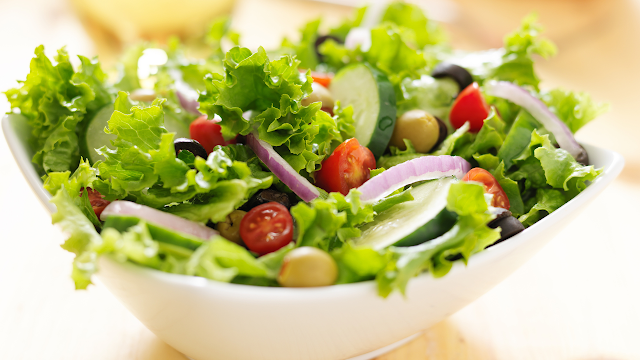


    Leafy Green Vegetables


    Leafy Green Vegetables:

    Leafy green vegetables such as spinach, kale, and Swiss chard are excellent sources of vitamins, minerals, and antioxidants that support brain health. They are rich in folate, which helps regulate mood and may reduce symptoms of depression. Additionally, these greens contain magnesium, a mineral known for its calming effects on the nervous system. Regular consumption of leafy greens can provide essential nutrients and promote a sense of well-being.


    Fatty Fish

    Fatty Fish:

    Fatty fish like salmon, mackerel, and sardines are packed with omega-3 fatty acids, which are essential for brain health. Omega-3s have been shown to reduce inflammation and lower cortisol levels, a hormone associated with stress. Including fatty fish in your diet can help improve your mood and alleviate anxiety.


    Berries

    Berries:

    Berries, such as blueberries, strawberries, and raspberries, are not only delicious but also rich in antioxidants. These antioxidants combat oxidative stress and inflammation in the body, which can contribute to stress and anxiety. Berries are also high in vitamin C, which has been linked to lower levels of stress hormones. Incorporating a variety of berries into your diet can provide a flavorful and nutritious way to manage stress.


    Nuts and Seeds

    Nuts and Seeds:

    Nuts and seeds, including almonds, walnuts, flaxseeds, and chia seeds, are excellent sources of healthy fats, protein, and fiber. They also contain magnesium, which helps regulate emotions and reduce stress. Additionally, the omega-3 fatty acids found in nuts and seeds contribute to brain health and may improve mood. Including a handful of nuts or seeds as a snack or incorporating them into meals can provide a satisfying and stress-relieving boost.


    Dark Chocolate


    Dark Chocolate:

    Good news for chocolate lovers! Dark chocolate with a high cocoa content (70% or more) contains antioxidants, flavonoids, and compounds that can positively affect mood. Dark chocolate stimulates the production of endorphins, the "feel-good" hormones, which can help reduce stress and induce feelings of relaxation. However, moderation is key, as chocolate is still calorie-dense, and excessive consumption may have adverse effects.


    Relieve Stress and Anxiety

    While stress and anxiety are common experiences, incorporating a diet rich in healthy foods can be a powerful tool in managing these challenges. The foods mentioned in this article, including leafy green vegetables, fatty fish, berries, nuts and seeds, and dark chocolate, offer a range of nutrients that support brain health, reduce inflammation, and promote a sense of calmness. Remember, adopting a healthy diet is just one part of a holistic approach to stress management. It is also important to engage in regular physical activity, practice relaxation techniques, and seek support from loved ones or professionals when needed. By nourishing your mind and body with these stress-relieving foods, you can take proactive steps towards achieving a healthier, more balanced life.


    Home Doctor: SECRET TO HOW Nursing At Home !!

    👍👉 Get it here

    📌Create easy your keto diet plan that suites you:

    👌👉 Get it here

    📬📌 Get your free physical keto cookbook delivered to your House mailbox :

     👍👉 Get it here


  • Nutrient-Dense Fruits for Healthy Weight Gain

    Nutrient-Dense Fruits for Healthy Weight Gain


    Nutrient-Dense Fruits for Healthy Weight Gain

    Nutrient-Dense Fruits for Healthy Weight Gain: A Guide for Individuals Seeking to Increase Weight

    While many people struggle with weight loss, there is a lesser-known group who face difficulties in gaining weight. For individuals seeking to increase their weight healthily, incorporating nutrient-dense fruits into their diet can be a beneficial strategy. In this article, we will explore seven dried and fresh fruits that can aid in healthy weight gain. These fruits not only provide essential vitamins and minerals but also offer valuable calories and healthy fats to support the body's nutritional needs.


    Bananas: A Calorie-Dense Powerhouse

    Bananas: A Calorie-Dense Powerhouse

    Bananas are an excellent fruit for weight gain due to their high-calorie content and natural sugars. One medium-sized banana contains around 100 calories and provides essential nutrients like potassium and vitamin B6. Bananas are easily digestible and can be enjoyed as a standalone snack, added to smoothies, or used in baking recipes. For additional calories, consider spreading nut butter on banana slices or blending them into a milkshake for a delicious and nutritious treat.


    Avocados: A Healthy Source of Healthy Fats


    Avocados: A Healthy Source of Healthy Fats

    Avocados are a rich source of healthy fats, making them a great choice for those looking to gain weight. With approximately 240 calories per medium-sized fruit, avocados also provide dietary fiber, vitamins C and E, and potassium. Their creamy texture and mild flavor make them a versatile ingredient that can be added to salads, sandwiches or enjoyed as a guacamole dip. Incorporating avocados into your diet can contribute to healthy weight gain while providing numerous health benefits.


    Dates: Natural Energy Boosters

    Dates: Natural Energy Boosters

    Dates are sweet and chewy fruits that pack a powerful nutritional punch. With a high-calorie content and natural sugars, dates provide a quick energy boost. They are also rich in dietary fiber, potassium, magnesium, and various antioxidants. Dates can be eaten on their own as a snack or used as a natural sweetener in recipes. Additionally, they can be blended into smoothies or chopped and added to cereals or yogurt for extra flavor and nutrition.


    Mangoes: Delicious and Nutrient-Rich

    Mangoes: Delicious and Nutrient-Rich

    Mangoes are not only delicious but also highly nutritious fruits that can aid in healthy weight gain. They are rich in vitamins A and C, dietary fiber, and antioxidants. With around 150 calories per medium-sized fruit, mangoes provide a good source of energy. Enjoy mangoes as a refreshing snack, blend them into smoothies, or incorporate them into fruit salads for a burst of tropical flavor.


    Dried Apricots: Concentrated Nutritional Powerhouses

    Dried Apricots: Concentrated Nutritional Powerhouses

    Dried apricots are a concentrated source of nutrients and can be a valuable addition to a weight-gain diet. They are high in dietary fiber, potassium, and vitamins A and C. Due to the drying process, the sugar content is more concentrated, providing a natural source of calories. Dried apricots can be enjoyed as a standalone snack, added to trail mixes, or used in baking recipes. However, it is important to consume them in moderation, as they are calorie-dense.


    Coconut: Versatile and Nutrient-Rich

    Coconut: Versatile and Nutrient-Rich

    Coconuts are highly versatile fruits that offer a range of health benefits and can aid in healthy weight gain. They are a good source of healthy fats, dietary fiber, and essential minerals like potassium and manganese. Coconut meat can be enjoyed fresh or shredded and added to dishes, desserts, or smoothies. Coconut water is also a hydrating and refreshing beverage option. Additionally, coconut oil can be used in cooking or added to shakes for an extra calorie boost.


    Nuts: Protein-Rich Energy Boosters

    Nuts: Protein-Rich Energy Boosters 

    While not technically fruits, nuts are nutrient-dense snacks that can support healthy weight gain. They are high in healthy fats, protein, and dietary fiber, providing a good source of calories. Nuts like almonds, cashews, and walnuts are excellent options for weight gain due to their nutrient profile. They can be eaten on their own as a snack, added to oatmeal or yogurt, or used as a topping for salads. However, it is important to consume nuts in moderation, as they are calorie-dense.


    Healthily gaining weight requires a well-rounded approach, and incorporating nutrient-dense fruits into your diet is a great strategy. The seven fruits mentioned in this article, including bananas, avocados, dates, mangoes, dried apricots, coconuts, and nuts, provide a combination of calories, healthy fats, vitamins, minerals, and dietary fiber. By including these fruits in your daily meals and snacks, you can ensure that your weight gain journey is both nutritious and enjoyable. Remember to consult with a healthcare professional or registered dietitian for personalized advice and guidance on your weight gain goals.


    Home Doctor: SECRET TO HOW Nursing At Home !!

    👍👉 Get it here

    📌Create easy your keto diet plan that suites you:

    👌👉 Get it here

    📬📌 Get your free physical keto cookbook delivered to your House mailbox :

     👍👉 Get it here


  • Factors Causing Deterioration of Cardiovascular Health in Young People

    Factors Causing Deterioration of Cardiovascular Health in Young People

     
    Deterioration of Cardiovascular Health

    Factors Causing Deterioration of Cardiovascular Health in Young People


    In an era dominated by sedentary lifestyles and poor dietary choices, the deterioration of cardiovascular health among young people has become a pressing concern. With obesity taking the spotlight as a prominent factor, it is crucial to understand the various elements contributing to the decline of heart health in the younger generation. This engaging and informative article will delve into the factors that play a significant role in the deterioration of cardiovascular health in young people, with a particular focus on the prominent factor of obesity. By shedding light on these factors, we can raise awareness, promote prevention strategies, and empower young individuals to prioritize their cardiovascular well-being.


    The Rise of Obesity:

    Obesity has emerged as a significant public health issue, not only affecting adults but also taking a toll on the younger population. The prevalence of obesity among young people has reached alarming levels due to several contributing factors.

    Poor Dietary Habits: The consumption of calorie-dense, nutrient-poor foods such as fast food, sugary beverages, and processed snacks has become increasingly prevalent. These choices lead to excessive calorie intake, weight gain, and ultimately contribute to obesity.


    Sedentary Lifestyles: The advent of technology and the rise of screen-based activities have significantly reduced physical activity levels among young people. A sedentary lifestyle devoid of regular exercise further exacerbates weight gain and increases the risk of cardiovascular health problems.

    Environmental Factors: Environmental factors, such as the availability of unhealthy food options, food marketing targeting young individuals, and limited access to safe spaces for physical activity, contribute to the rising obesity rates in young people.


    Deterioration of Cardiovascular Health


    Effects of Obesity on Cardiovascular Health:

    Obesity has detrimental effects on cardiovascular health, and young individuals are not exempt from these consequences. The impact of obesity on the heart and blood vessels can manifest in several ways:

    High Blood Pressure: Excess body weight puts added strain on the heart, leading to elevated blood pressure. Persistent high blood pressure increases the risk of heart disease and stroke.

    Dyslipidemia: Obesity often disrupts the balance of lipids in the blood, leading to abnormal cholesterol and triglyceride levels. Dyslipidemia is a key contributor to atherosclerosis, a condition characterized by the build-up of plaque in the arteries.

    Type 2 Diabetes: Obesity is strongly associated with the development of insulin resistance and type 2 diabetes. Diabetes significantly increases the risk of cardiovascular diseases, including coronary artery disease and heart failure.

    Inflammation and Oxidative Stress: Excessive fat tissue in the body triggers a chronic inflammatory response and increases oxidative stress. These processes contribute to the development and progression of cardiovascular diseases.


    Deterioration of Cardiovascular Health


    Addressing Other Contributing Factors:

    While obesity stands out as a prominent factor, several other elements also contribute to the deterioration of cardiovascular health in young people:

    Smoking: Tobacco use, including smoking and exposure to secondhand smoke, significantly increases the risk of heart disease,
    stroke, and other cardiovascular conditions.


    Unhealthy Diets: Apart from obesity, poor dietary choices have independent adverse effects on cardiovascular health. Diets high in saturated and trans fats, sodium, and added sugars increase the risk of heart disease.


    Substance Abuse: Illicit drug use, excessive alcohol consumption, and misuse of prescription medications pose serious threats to cardiovascular health. These substances can lead to heart rhythm abnormalities, high blood pressure, and heart muscle damage.

    Mental Health: Poor mental health, including chronic stress, anxiety, and depression, can have a profound impact on cardiovascular health. Mental health disorders often contribute to unhealthy behaviors such as overeating, smoking, and physical inactivity.

    Deterioration of Cardiovascular Health

    Promoting Cardiovascular Health in Young People:


    To combat the deterioration of cardiovascular health in young people, a comprehensive approach is necessary:


    Education and Awareness: Increasing awareness about the impact of obesity, unhealthy habits, and other risk factors is crucial. Empowering young individuals with knowledge will enable them to make informed choices about their cardiovascular health.


    Healthy Lifestyle Promotion: Encouraging regular physical activity, a balanced diet rich in fruits, vegetables, and whole grains, and the avoidance of smoking and substance abuse are essential components of promoting cardiovascular health.


    Policy Interventions: Implementing policies that support healthy environments, such as improving access to nutritious foods, promoting physical activity in schools, and regulating marketing practices targeting young individuals, can make a significant difference.

    Mental Health Support: Addressing mental health issues and providing appropriate support and resources can help reduce the negative impact on cardiovascular health.


    Conclusion

    The deterioration of cardiovascular health in young people is a complex issue influenced by multiple factors, with obesity being the most prominent. By recognizing the role of obesity and other contributing elements such as poor dietary habits, sedentary lifestyles, smoking, substance abuse, and mental health, we can take proactive steps to reverse this concerning trend. By promoting education, healthy lifestyles, policy changes, and mental health support, we can empower young individuals to prioritize their cardiovascular well-being and pave the way for a healthier future.


    Home Doctor: SECRET TO HOW Nursing At Home !!

    👍👉 Get it here

    📌Create easy your keto diet plan that suites you:

    👌👉 Get it here

    📬📌 Get your free physical keto cookbook delivered to your House mailbox :

     👍👉 Get it here


  • Are artificial sweeteners a healthy substitute for sugar?

    Are artificial sweeteners a healthy substitute for sugar?


    Are artificial sweeteners a healthy substitute for sugar?

    Are artificial sweeteners a healthy substitute for sugar?


     In today's health-conscious society, the quest for a healthier lifestyle has led many people to seek alternatives to sugar. Artificial sweeteners have gained popularity as sugar substitutes, promising the same sweet taste without the extra calories. However, the debate surrounding the safety and effectiveness of artificial sweeteners continues. This article aims to delve into the topic and provide an in-depth analysis of whether artificial sweeteners are a healthy sugar substitute. By examining the pros and cons, potential health effects, and scientific research, we can make an informed decision about incorporating artificial sweeteners into our diets.


    Understanding Artificial Sweeteners:

    Artificial sweeteners, also known as non-nutritive sweeteners, are synthetic substances that provide a sweet taste but contain little to no calories. They are often used in a wide range of processed foods, beverages, and tabletop sweeteners. Common examples include aspartame, sucralose, saccharin, and acesulfame potassium.


    artificial sweeteners


    The Pros of Artificial Sweeteners:

    Calorie Reduction: One of the primary advantages of artificial sweeteners is their ability to provide sweetness with minimal or no calories. This can be particularly beneficial for individuals aiming to reduce their overall calorie intake for weight management or to control blood sugar levels.


    Diabetes Management: Artificial sweeteners do not significantly impact blood sugar levels, making them a suitable option for individuals with diabetes or those watching their carbohydrate intake.


    Dental Health: Unlike sugar, artificial sweeteners are not fermented by oral bacteria, reducing the risk of tooth decay and cavities.


    Weight Management: By substituting sugar with artificial sweeteners, it is possible to reduce overall calorie consumption, potentially aiding in weight loss or weight management goals.


    artificial sweeteners


    The Cons of Artificial Sweeteners:

    Taste and Palatability: Artificial sweeteners may not provide the same taste experience as sugar. Some individuals find them to have a distinct aftertaste or perceive them as less satisfying, which may lead to increased cravings for sugary foods.


    Metabolic Effects: Research suggests that artificial sweeteners may impact the body's ability to regulate appetite and metabolism. Some studies have shown that they may increase hunger and lead to weight gain.


    Gut Health: There is emerging research suggesting that artificial sweeteners may alter the composition of gut microbiota, which plays a crucial role in digestion and overall health. However, further studies are needed to fully understand the long-term effects.


    Potential Health Risks: While regulatory authorities have approved artificial sweeteners for consumption, concerns about their safety persist. Some studies have suggested potential links to adverse health effects, including cancer, neurological disorders, and hormonal disruptions. It is important to note that these studies often involve high doses not typically consumed in normal dietary practices.


    Choosing the Right Artificial Sweetener:


    It is important to consider that different artificial sweeteners have varying levels of sweetness, stability under heat, and potential side effects. Some individuals may have sensitivities or allergies to specific artificial sweeteners. Consulting with a healthcare professional or registered dietitian can help determine which artificial sweetener, if any, is most suitable for individual needs and preferences.


    The Verdict: Moderation and Mindfulness:

    In conclusion, using artificial sweeteners as a sugar substitute remains a topic of debate. While they offer the advantage of providing sweetness with minimal or no calories, potential drawbacks, and health concerns exist. Moderation, individual tolerance, and considering the overall dietary context are essential when incorporating artificial sweeteners into a balanced diet.


    It is crucial to prioritize whole, nutrient-dense foods and minimize reliance on highly processed products. Striving for a well-rounded, varied diet that includes naturally sweet foods like fruits while being mindful of added sugar consumption is generally recommended.


    Ultimately, the decision to use artificial sweeteners is a personal one. It is essential to consider individual health goals, preferences, and any potential sensitivities before incorporating them into daily dietary habits.


    By staying informed and making conscious choices, individuals can navigate the sweet world of artificial sweeteners while maintaining a balanced and healthy approach to nutrition.


    Home Doctor: SECRET TO HOW Nursing At Home !!

    👍👉 Get it here

    📌Create easy your keto diet plan that suites you:

    👌👉 Get it here

    📬📌 Get your free physical keto cookbook delivered to your House mailbox :

     👍👉 Get it here


  • 10 foods and drinks that fail your weight loss plans

    10 foods and drinks that fail your weight loss plans

    10 foods and drinks that fail your weight loss plans


    10 foods and drinks that fail your weight loss plans. Avoid them

    When it comes to achieving weight loss goals, making smart dietary choices is crucial. While some foods and drinks can support your weight loss efforts, others can sabotage them. In this article, we will highlight 10 common culprits that can hinder your progress and derail your weight loss plans. By avoiding these foods and drinks, you can stay on track and maximize your chances of achieving a healthier and fitter you.


    Sugary Beverages:

    Sugary beverages like soda, fruit juices, and energy drinks are packed with added sugars and empty calories. These drinks provide little to no nutritional value while contributing significantly to weight gain. Their high sugar content leads to rapid blood sugar spikes and subsequent crashes, leaving you craving more. Opt for water, herbal teas, or sparkling water with a splash of fresh fruit instead.


    Processed Snacks:

    Processed snacks such as chips, crackers, and cookies are often high in unhealthy fats, refined grains, and additives. These snacks are typically calorie-dense and offer little satiety. They are easy to overeat, leading to an excess intake of calories without providing substantial nutrients. Instead, choose whole foods like nuts, seeds, or fresh fruits as healthier snack options.


    Fast Food:

    Fast food is notorious for its high calorie, fat, and sodium content. Burgers, fries, and milkshakes may be tempting, but they contribute to weight gain and poor overall health. These foods are typically packed with unhealthy trans fats, refined carbohydrates, and excess salt. Prepare homemade meals using fresh ingredients whenever possible to ensure healthier choices and better control over portion sizes.


    Sugary Treats:

    Indulging in sugary treats like candies, chocolates, and pastries can quickly derail your weight loss efforts. These foods are not only high in added sugars but also typically offer little nutritional value. Consuming sugary treats triggers a cycle of cravings and can lead to overeating. Opt for healthier alternatives like fresh fruit, dark chocolate with a high cocoa percentage, or homemade treats with reduced sugar.


    Fried Foods:

    Fried foods, such as french fries, fried chicken, and onion rings, are often high in unhealthy fats and calories. The deep-frying process adds significant amounts of oil, which can lead to weight gain and increase the risk of heart disease. Choose healthier cooking methods like baking, grilling, or steaming to reduce unnecessary fat and calories.


    White Bread and Pastries:

    White bread and pastries made from refined grains lack fiber and essential nutrients. These carbohydrates are rapidly digested and can cause spikes in blood sugar levels, leading to cravings and overeating. Opt for whole-grain bread, whole wheat pasta, and fiber-rich grains like quinoa or brown rice to provide lasting energy and promote satiety.


    10 foods and drinks that fail your weight loss plans


    Sugary Breakfast Cereals:

    Many breakfast cereals marketed as healthy options are loaded with added sugars. Starting your day with a high-sugar cereal can set you up for blood sugar imbalances and energy crashes later on. Choose whole grain cereals with minimal added sugars or opt for oatmeal topped with fresh fruits and nuts for a satisfying and nutritious breakfast.


    Full-Fat Dairy Products:

    While dairy products can be a part of a balanced diet, full-fat varieties can contribute to excess calories and saturated fats. Moderation is key when consuming dairy products for weight loss. Opt for low-fat or non-fat options like skim milk, low-fat yogurt, or reduced-fat cheese to reduce calorie intake while still enjoying the benefits of dairy.


    Alcoholic Beverages:

    Alcoholic beverages are often high in calories and can hinder weight loss efforts. The body metabolizes alcohol differently, prioritizing its breakdown over the metabolism of other nutrients. This can lead to excess calorie storage and hinder fat burning. Additionally, alcohol can impair judgment and increase the likelihood of making poor food choices. If you choose to drink, do so in moderation and opt for lower-calorie options like light beer or spirits mixed with soda water and fresh lime.


    Sugary Coffee Drinks:

    Coffee drinks like flavored lattes, frappuccinos, and mochas can be loaded with sugar and unhealthy fats. These drinks can easily contribute hundreds of extra calories to your daily intake. Instead, opt for plain black coffee or espresso-based beverages with minimal added sugars. If you prefer some sweetness, use natural sweeteners sparingly or explore sugar-free options.


    Avoiding these 10 foods and drinks can significantly improve your chances of achieving successful weight loss. By eliminating sugary beverages, processed snacks, fast food, and sugary treats, you can reduce calorie intake and make room for more nutritious choices. Opt for whole foods, lean proteins, and plenty of fruits and vegetables to support your weight loss goals. Remember, sustainable weight loss comes from adopting a balanced and mindful approach to your eating habits.


    Home Doctor: SECRET TO HOW Nursing At Home !!

    👍👉 Get it here

    📌Create easy your keto diet plan that suites you:

    👌👉 Get it here

    📬📌 Get your free physical keto cookbook delivered to your House mailbox :

     👍👉 Get it here


  • Nourish Your Smile: Discover Foods That Improve Your Dental Health

    Nourish Your Smile: Discover Foods That Improve Your Dental Health

    Foods that improve your dental health


    Maintaining good dental health goes beyond regular brushing and flossing. While oral hygiene practices are crucial, what you eat also plays a significant role in promoting strong teeth and gums. Just as certain foods can contribute to dental issues, there are several delicious options that can enhance your oral health. In this article, we will explore a variety of foods that can improve your dental health and help you achieve a radiant smile.


    Crunchy Fruits and Vegetables

    Crunchy Fruits and Vegetables

    Crunchy fruits and vegetables, such as apples, carrots, and celery, act as natural toothbrushes. Their firm texture stimulates saliva production, which helps wash away food particles and neutralize harmful acids in the mouth. Additionally, the act of chewing these foods can also help remove plaque buildup on teeth.


    Dairy Products


    Dairy Products

    Dairy products, such as milk, cheese, and yogurt, are excellent sources of calcium, which is vital for maintaining strong teeth and bones. Calcium helps strengthen tooth enamel, the protective outer layer of your teeth, and can even help repair minor damage. These products also contain casein, a protein that helps fortify tooth enamel against decay.


    Leafy greens

    Leafy greens


    Leafy greens like spinach, kale, and Swiss chard are rich in essential vitamins and minerals that promote dental health. They are high in calcium, which aids in strengthening tooth enamel. These greens also contain folic acid, a type of B vitamin that promotes healthy gum tissue and can help prevent gum disease.


    Nuts and Seeds

    Nuts and Seeds

    Nuts and seeds, such as almonds, walnuts, and sesame seeds, are packed with nutrients that benefit your teeth. They provide calcium and phosphorous, which are essential minerals for maintaining strong teeth. Chewing on nuts and seeds also stimulates saliva production, which helps neutralize acids and wash away debris.


    Green and black teas

    Green and black teas

    Green and black tea contain compounds called polyphenols, which can help inhibit the growth of bacteria responsible for tooth decay and gum disease. These drinks also contain fluoride, a mineral that strengthens tooth enamel and protects against cavities. It's important to note that excessive sugar or acidic additives can negate the benefits, so opt for unsweetened varieties.


    Citrus fruits in moderation

    Citrus fruits in moderation

    While citrus fruits like oranges and grapefruits are packed with vitamin C and antioxidants, they are acidic in nature. Consuming them in moderation can provide oral health benefits, but excessive consumption can erode tooth enamel over time. To minimize the impact of citrus fruits on your teeth, rinse your mouth with water afterward.


    Cranberries

    Cranberries

    Cranberries are known for their ability to prevent bacteria from sticking to the teeth, reducing the risk of plaque formation. They contain polyphenols that inhibit the growth of harmful bacteria associated with cavities and gum disease. However, be cautious with cranberry products that are high in added sugars, as the sugar content can counteract the positive effects.


    Water

    Water

    Water is the ultimate dental-friendly beverage. Drinking water throughout the day helps rinse away food particles and maintain hydration, which is crucial for saliva production. Tap water in many regions contains fluoride, providing an additional protective benefit for your teeth. Staying hydrated also prevents dry mouth, a condition that can increase the risk of dental issues.


    Sugar-Free Gum

    Sugar-Free Gum

    Chewing sugar-free gum after meals stimulates saliva flow, which aids in neutralizing acids and removing food particles. Look for gum sweetened with xylitol, a natural sweetener that has been shown to reduce the risk of cavities. Chewing gum can be a helpful addition to your oral hygiene routine when brushing is not immediately possible.


    Conclusion

    While regular brushing, flossing, and dental check-ups are essential for maintaining oral health, incorporating tooth-friendly foods into your diet can significantly enhance your dental well-being. Crunchy fruits and vegetables, dairy products, leafy greens, nuts and seeds, green and black teas, citrus fruits in moderation, cranberries, water, and sugar-free gum can all contribute to stronger teeth and healthier gums.


    By making mindful choices and including these foods in your diet, you can nourish your smile and enjoy the benefits of improved dental health. Remember, a vibrant smile starts from within, so let your plate be a source of nourishment for your teeth and gums.


    Home Doctor: SECRET TO HOW Nursing At Home !!

    👍👉 Get it here

    📌Create easy your keto diet plan that suites you:

    👌👉 Get it here

    📬📌 Get your free physical keto cookbook delivered to your House mailbox :

     👍👉 Get it here


  • Obesity: A Gender-Specific Risk Factor for Cancer

    Obesity: A Gender-Specific Risk Factor for Cancer


    Obesity is a risk factor for cancer and its effect depends on gender


    Obesity has long been recognized as a significant health concern, linked to a range of chronic diseases. However, recent research has unveiled a troubling connection between obesity and cancer. While the relationship between excess weight and cancer is complex, studies have shown that the impact of obesity on cancer risk can vary between genders. In this article, we will explore the link between obesity and cancer and delve into the gender-specific effects it can have on individuals.


    Obesity and Cancer: An Overview

    Obesity is defined as having a body mass index (BMI) of 30 or higher, indicating an unhealthy amount of body fat. It is a multifactorial condition influenced by genetics, environment, and lifestyle choices, such as diet and physical activity. According to the World Health Organization (WHO), obesity rates have nearly tripled worldwide since 1975, making it a global epidemic.


    The relationship between obesity and cancer is well-established, with numerous studies highlighting the increased risk for various types of cancer in obese individuals. The excess body weight can lead to chronic inflammation, hormonal imbalances, and insulin resistance, all of which contribute to the development and progression of cancer cells.


    Gender-Specific Effects

    Obesity and Female-Specific Cancers

    Breast Cancer: Obesity is strongly associated with an increased risk of postmenopausal breast cancer in women. Adipose tissue, especially in the postmenopausal stage, produces estrogen, which can fuel the growth of hormone-sensitive breast cancer cells. Additionally, obesity may impact the effectiveness of hormone therapies used in the treatment of breast cancer.


    Endometrial Cancer: Obesity significantly raises the risk of endometrial cancer, which affects the lining of the uterus. The excess fat tissue causes an imbalance in estrogen and progesterone levels, leading to abnormal cell growth in the endometrium.


    Ovarian Cancer: While the link between obesity and ovarian cancer is less clear, studies have suggested a higher risk in obese women. The mechanisms behind this association are still being explored, but hormonal imbalances and chronic inflammation are believed to play a role.


    Obesity and Male-Specific Cancers

    Prostate Cancer: Obesity has been associated with an increased risk of aggressive prostate cancer in men. Higher levels of circulating insulin, inflammation, and altered hormone levels are potential factors contributing to this association.


    Colorectal Cancer: Both men and women face an elevated risk of colorectal cancer due to obesity. However, studies suggest that obese men may have a higher risk compared to obese women. The excess weight, particularly around the abdominal area, may increase inflammation and insulin resistance, promoting the development of colorectal tumors.


    Understanding the Gender Disparity

    While the specific reasons for the gender-specific effects of obesity on cancer risk are not yet fully understood, researchers have identified several factors that could contribute to this disparity.


    Hormonal Differences: Hormones play a crucial role in cancer development, and obesity can disrupt hormone regulation. Sex hormones like estrogen and progesterone are produced by fat tissue, and imbalances in these hormones can lead to cancer development. The impact of obesity on hormone levels may vary between genders, explaining the gender-specific effects observed.


    Inflammatory Response: Obesity triggers a chronic inflammatory state within the body. Inflammation is a key component in the development and progression of cancer. Variations in inflammatory responses between men and women might influence the risk and progression of obesity-related cancers.


    Distribution of Fat: Men and women tend to accumulate fat in different regions of the body. Men commonly have excess fat around the abdomen (visceral fat), while women typically store it in the hips and thighs (subcutaneous fat). Visceral fat is more metabolically active and has been associated with higher cancer risk, including colorectal and prostate cancer.


    Conclusion

    Obesity is a well-established risk factor for cancer, but its impact on cancer risk can differ between genders. Women face an increased risk of breast, endometrial, and possibly ovarian cancer, while men are more susceptible to prostate and colorectal cancer. Understanding these gender-specific effects is vital for developing targeted prevention strategies and effective treatments. Encouraging healthy lifestyle choices, including maintaining a healthy weight, regular physical activity, and a balanced diet, is crucial for reducing the burden of obesity-related cancers in both men and women.


    Home Doctor: SECRET TO HOW Nursing At Home !!

    👍👉 Get it here


    📌Create easy your keto diet plan that suites you:

    👌👉 Get it here


    📬📌 Get your free physical keto cookbook delivered to your House mailbox :

     👍👉 Get it here


  • GET A FREE QUOTE NOW

    Lorem ipsum dolor sit amet, consectetuer adipiscing elit, sed diam nonummy nibh euismod tincidunt ut laoreet dolore magna aliquam erat volutpat.

    Powered by Blogger.

    The Nutritional Powerhouse: The Benefits of Chia Seeds

      The Nutritional Powerhouse: The Benefits of Chia Seeds In the realm of superfoods, chia seeds have surged in popularity, gaining recogniti...

    Contact us

    Name

    Email *

    Message *

    Search This Blog

    Blog Archive

    عن القالب

    عن القالب

    المشاركات الشائعة

    ADDRESS

    4759, NY 10011 Abia Martin Drive, Huston

    EMAIL

    contact-support@mail.com
    another@mail.com

    TELEPHONE

    +201 478 9800
    +501 478 9800

    MOBILE

    0177 7536213 44,
    017 775362 13